High Shelter: Navigating Alpine Hut Systems
A practical manual for mindful hikers tackling multi-day traverses across the Italian and Swiss crests without leaving a trace.
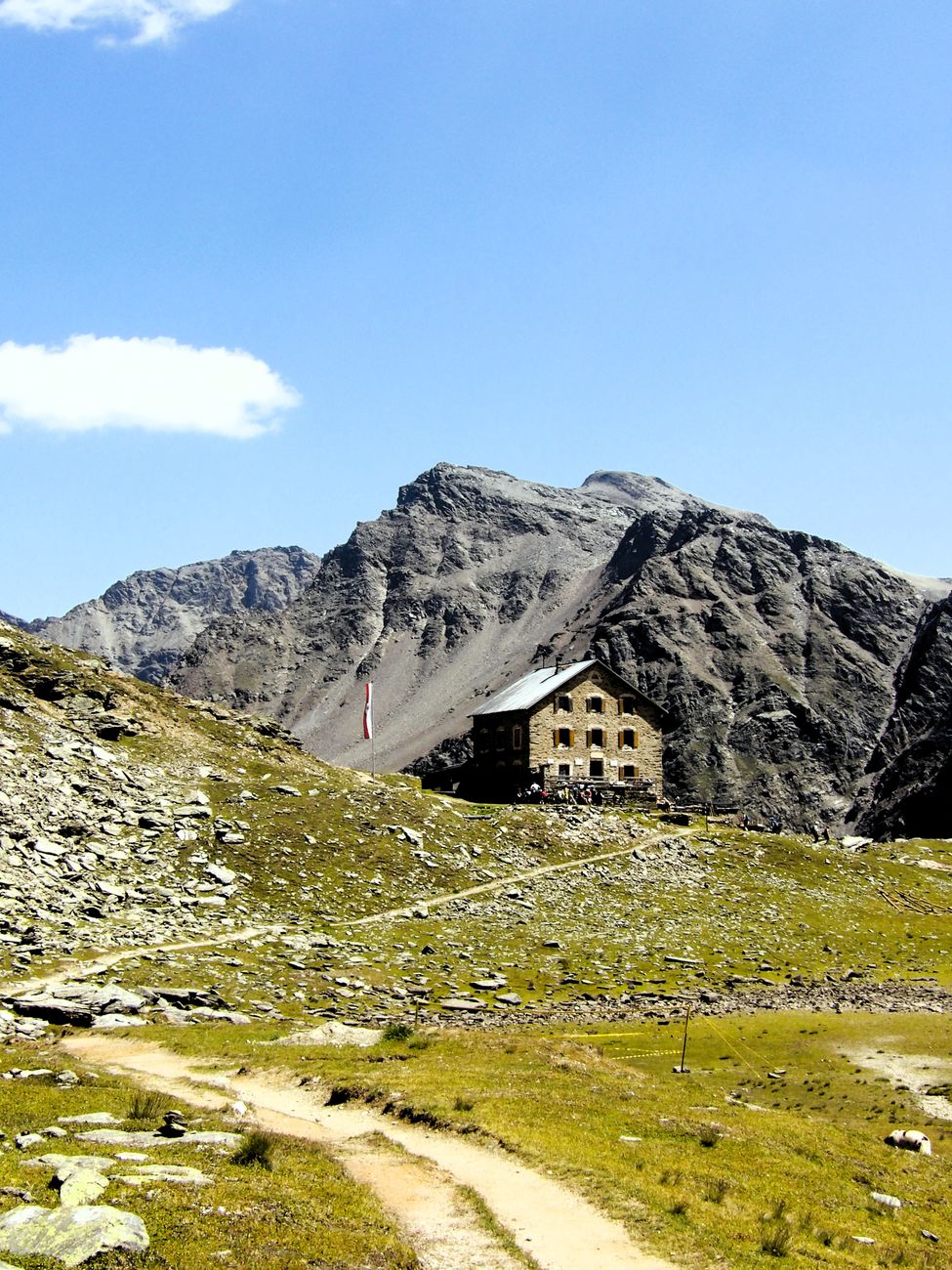
Few wilderness networks match the elegance of the European alpine refuge infrastructure. Spanning the limestone spires of the Dolomites to the glaciated ridges of the Valais, these mountain huts (rifugi or Hütten) allow hikers to embark on week-long ridgeline traverses with packs weighing under eight kilograms.
The Core Tenet: Shared Sanctuary
An alpine refuge is not a remote boutique resort; it is a shared sanctuary operated under stringent logistical constraints. Water must be pumped from snowmelt reservoirs or caught from seasonal rain; electricity is rationed via solar panels and diesel backup generators; supplies are airlifted by helicopter during rare weather windows.
"To walk into a mountain hut is to enter into a mutual pact of respect with strangers who have weathered the same storm."
Key Rules of Mountain Etiquette
- The Boot Room (Schuhraum): Never step past the threshold in muddy trail boots. Change immediately into hut slippers (Hüttenschuhe) provided at the entrance.
- Leave No Trash Behind: Whatever wrapper or container you carried up the pass, you must carry back down into the valley. Refuges cannot manage municipal waste disposal.
- Hut Sleeping Bag Liner: Due to water conservation, duvets are not washed daily. Carrying your own silk or cotton sheet liner is mandatory in dormitory bunks.
- Quiet Hours (Hüttenruhe): By 10:00 PM, all main hall chatter and lighting cease. Mountaineers preparing for early dawn ascents require restorative quiet.
By respecting these timeless protocols, you preserve the spirit of mountain solidarity for the next generation of walkers seeking clarity above the tree line.
Share this dispatch
Send this guide to fellow mountain wanderers.