Sacred Leaves: The Living Tea Masters of Kyoto
Behind humble bamboo screens in suburban Uji, multi-generational artisans preserve rituals that challenge modern acceleration.
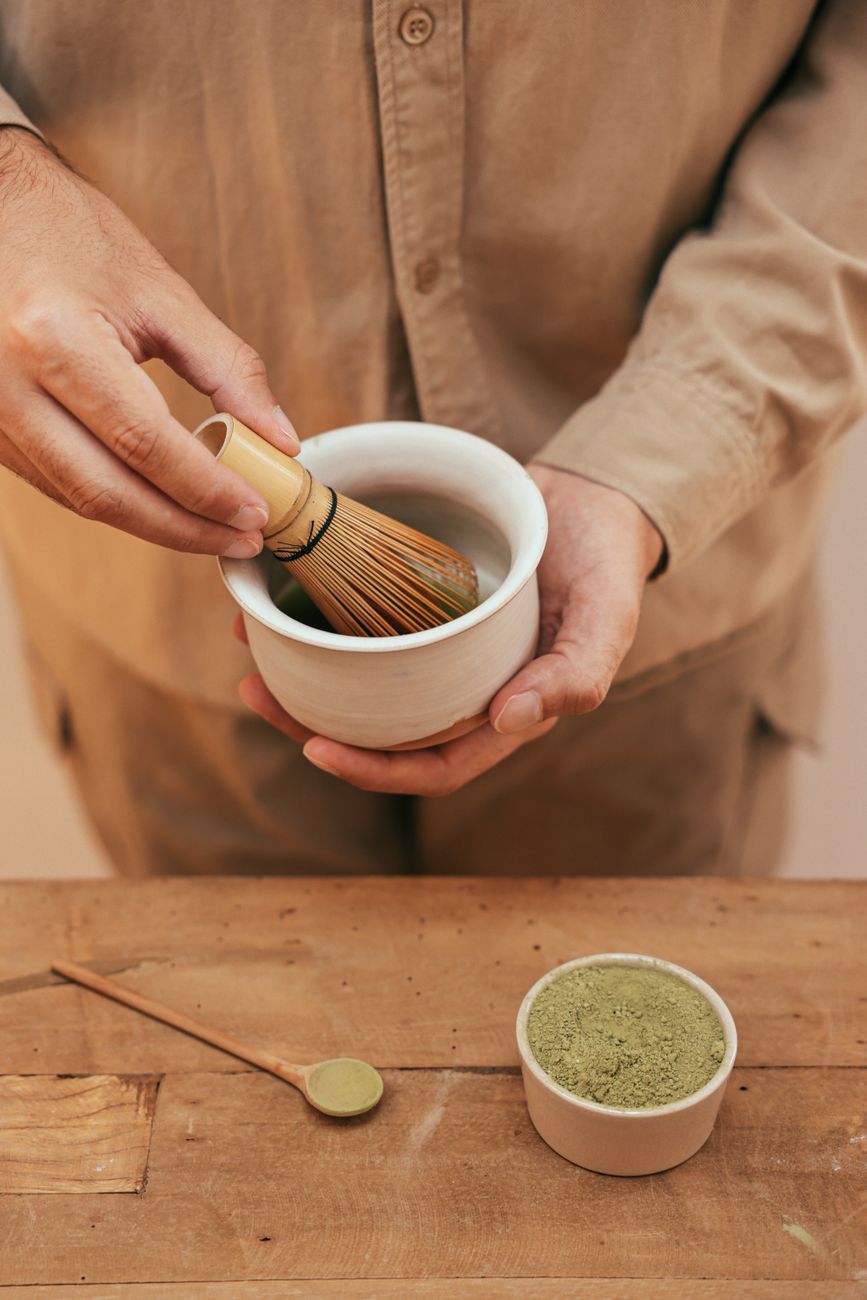
In the southern foothills of Kyoto Prefecture, where the Uji River carves cool mist into morning air, tea is not regarded as a mere agricultural commodity. Here, the tender leaves of Camellia sinensis represent eight hundred years of philosophical refinement, an intricate dialogue between soil chemistry, shaded reed mats, and spiritual mindfulness.
The Garden as Transition
Entering a traditional Japanese tea room (chashitsu) requires passing through the roji, or "dewy path." This is an architectural buffer zone intentionally landscaped with moss-covered stones, stone lanterns, and low bamboo water basins.
"The roji is not simply a garden; it is a psychological decompression chamber designed to strip away the clamor of the marketplace before you cross the threshold."
The small crawl-door (nijiriguchi) demands that every guest—regardless of social rank or wealth—bend low to enter the interior space. Once inside, the sensory atmosphere is stripped of ornamentation: unadorned cedar pillars, woven tatami grass, and the soft hiss of water boiling in a cast-iron kettle (kama).
Preserving the Flavor of Uji
In the workshop of master blender Hiroshi Mori, now in his late seventies, tea leaves harvested in late spring are inspected entirely by hand. Mori explains how the technique of covering the bushes with straw screens weeks before harvest starves the plants of harsh sunlight, forcing the chlorophyll and L-theanine into concentrated balance.
The result is that distinct, creamy umami quality unique to ceremonial grade tencha. When whisked into vibrant jade froth, it carries the earthy richness of Kansai rain and centuries of unhurried dedication.
Share this dispatch
Forward this study on mindful craftsmanship.